Nutrition Curriculum
Medical Nutrition Curriculum
Military Service Members require effective nutrition to maintain force health, readiness, performance, and lethality. The Uniformed Services University (USU) School of Medicine (SOM) Medical Nutrition Curriculum is strategically designed to prepare future military physicians to address these demands across operational and clinical environments.
Overview
The USU Medical Nutrition Curriculum integrates evidence-based nutrition education across all four years of medical training. Built through a multidisciplinary coalition of nutrition educators and sustained through six years of strategic implementation, the curriculum aligns with:
- Association of American Medical Colleges (AAMC) nutrition competencies
- National Defense Strategy priorities
- Military Health System readiness objectives
Our approach centers on developing physicians who understand nutrition not only as clinical science, but as a foundational component of warfighter performance and lifelong health.
Curricular Vision
Nutrition education at USU is integrated across the core domains of Health Systems Science — functional, foundational, and linking sciences.
Research shows that clinicians who develop personal nutrition awareness and competency are more likely to counsel patients effectively and improve health outcomes. Accordingly, the curriculum emphasizes:
- Learner health, wellness, and performance (mental and physical)
- Lifelong habits applicable to both medical and military careers
- Practical clinical application balanced with required board-relevant content
The curriculum is designed to be operationally relevant while reinforcing topics tested on NBME Shelf and USMLE Step examinations.

Curriculum by Phase
Pre-Clerkship (25 Hours)
The majority of nutrition instruction occurs during the Gastrointestinal (GI) module and is delivered through lectures, small groups, and laboratory experiences.
Topics include:
- Preventive nutrition
- Operational rations
- Nutrition in environmental extremes
- Food-borne pathogens
- Eating disorders
- Dietary supplements
- Nutrient metabolism
- Anemia
- Pediatrics and geriatrics
- Oncology nutrition
- Enteral and parenteral feeding
Many sessions are taught by Registered Dietitians (RDs), providing structured interprofessional learning experiences.
Clerkship Phase
Gaples Course
Prior to the Family Medicine clerkship, all learners complete a four-hour, interactive, asynchronous online nutrition course developed by the Gaples Institute. This nationally recognized program strengthens clinical nutrition knowledge and patient counseling skills.
During clerkships, learners:
- Engage patients in conversations about nutrition and lifestyle
- Develop interviewing and counseling skills for metabolic conditions
- Observe the impact of public health and operational nutrition on Service Members
- Collaborate with interdisciplinary teams managing acute and chronic conditions
Post-Clerkship Opportunities
USU Culinary Lab
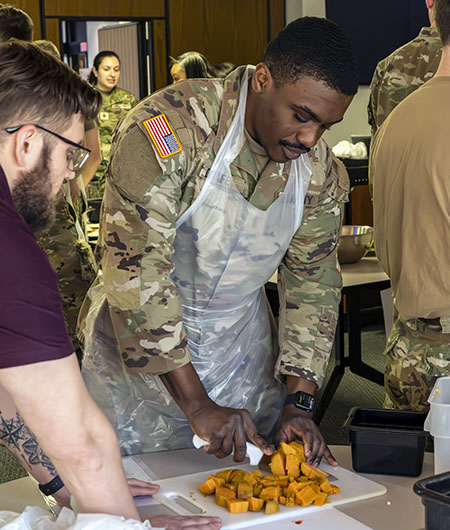
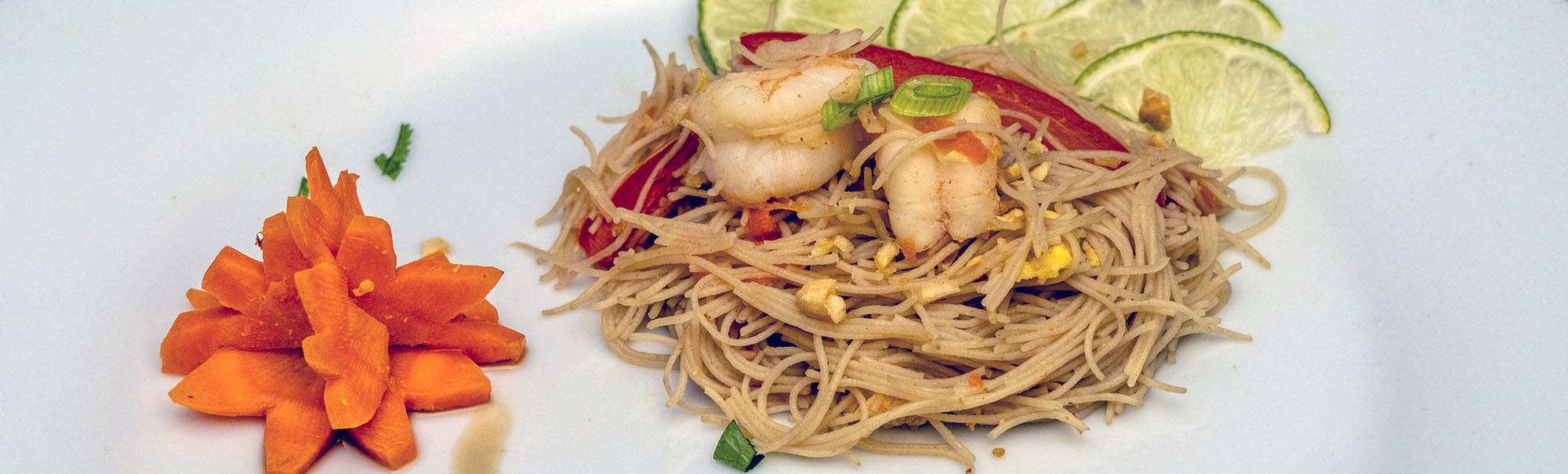
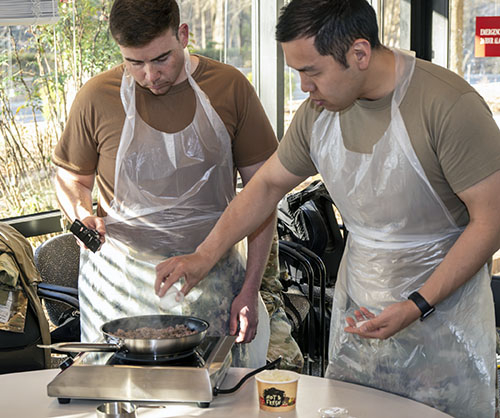
Offered during Bedside, Bench, and Beyond (B3) and Integrative Medicine Day, the Culinary Lab provides hands-on culinary medicine training using case-based learning. Small interdisciplinary teams prepare recipes aligned with clinical scenarios while discussing collaborative approaches to care.
Participants include physicians, physician assistants, nurse practitioners, registered dietitians, and public health professionals.
Dietary Supplement Intersession
Conducted during B3 in collaboration with Operation Supplement Safety (OPSS), this session builds on foundational knowledge and applies problem-based learning to real-world supplement- related issues affecting Military Service Members.
Advanced Clinical Rotation (ACR): Food is Medicine
First offered in Winter 2026, this elective rotation provides in-depth study of:
- Nutrition and military performance
- Policy implications for Service Member health
- Culinary medicine applications
- Lifestyle, integrative, functional, and restorative medicine models
- Patient-centered nutrition counseling skills
The ACR represents an expanded, longitudinal model of the curriculum’s core vision and is applicable across all medical specialties.
Military-Unique Curriculum Integration
Medical Field Practicum (MFP)
Conducted annually across all four years, the MFP integrates nutrition into operational training environments.
Learners:
- Utilize operational rations in austere field conditions
- Experience logistical and nutritional challenges reflective of real-world deployments
- Apply accumulated knowledge in progressively complex scenarios
Total Force Fitness Decision Brief Exercise
During the first year, learners develop an operational health decision brief addressing medically relevant issues critical to mission success. The brief includes:
Nutrition analysis
Dietary supplement evaluation
Hydration planning
Operational ration considerations
Advancing Readiness Through Nutrition
The USU Medical Nutrition Curriculum strengthens physician readiness by integrating clinical excellence with operational relevance. By developing nutrition competency across pre-clerkship, clerkship, post-clerkship, and military-unique training, USU prepares future military physicians to support force health, enhance performance, and protect long-term warfighter capability.